Marruecos – Tagant LL
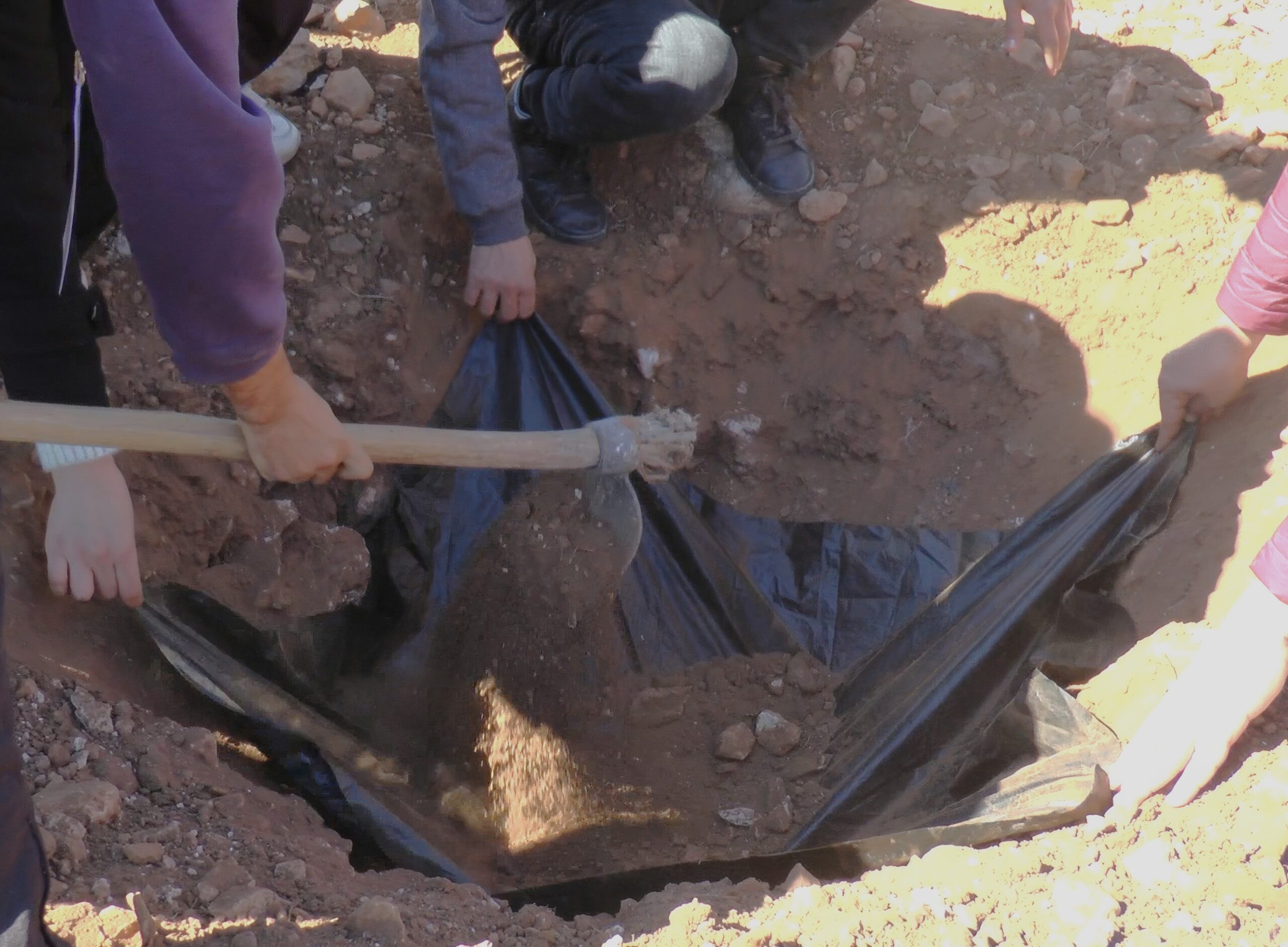
Tecnología de retención de agua sub-superficial (SWRT)
Líder
University of Cadi Ayyad
Área
Perfil
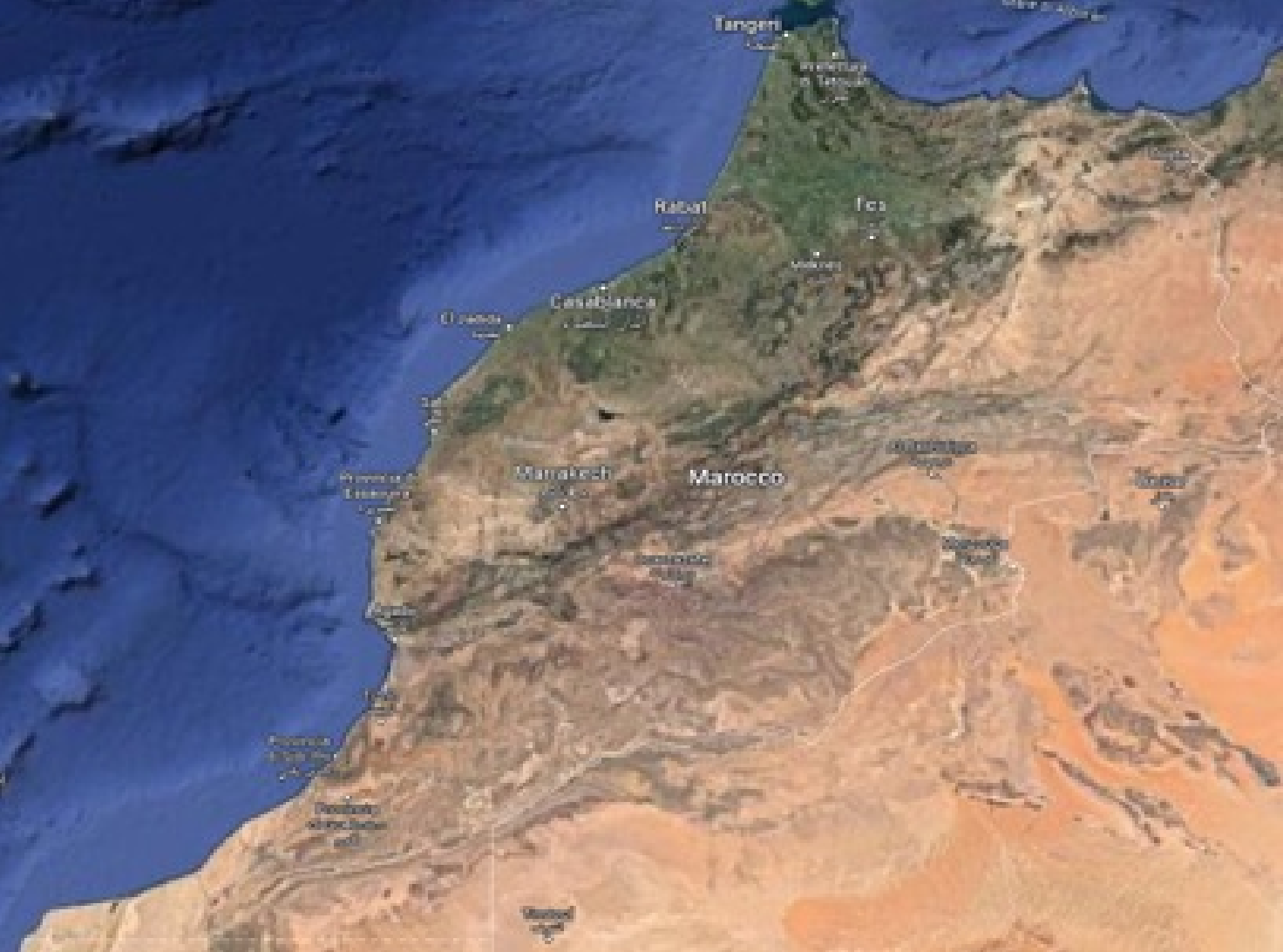
Coordenadas: 31.101° N; 9.687° W
Superficie: 3 km² (ampliable a ≈1364 km²)
Temp. media anual: 23 °C
Prec. media anual: 250 mm
ETo media anual: 850 mm
Índice de aridez: 0,30
Población local: 6.500
Usos del suelo, cultivos y animales: agro-silvopastoril, argán, olivo, trigo, cabra, oveja, bovino
El Living Lab
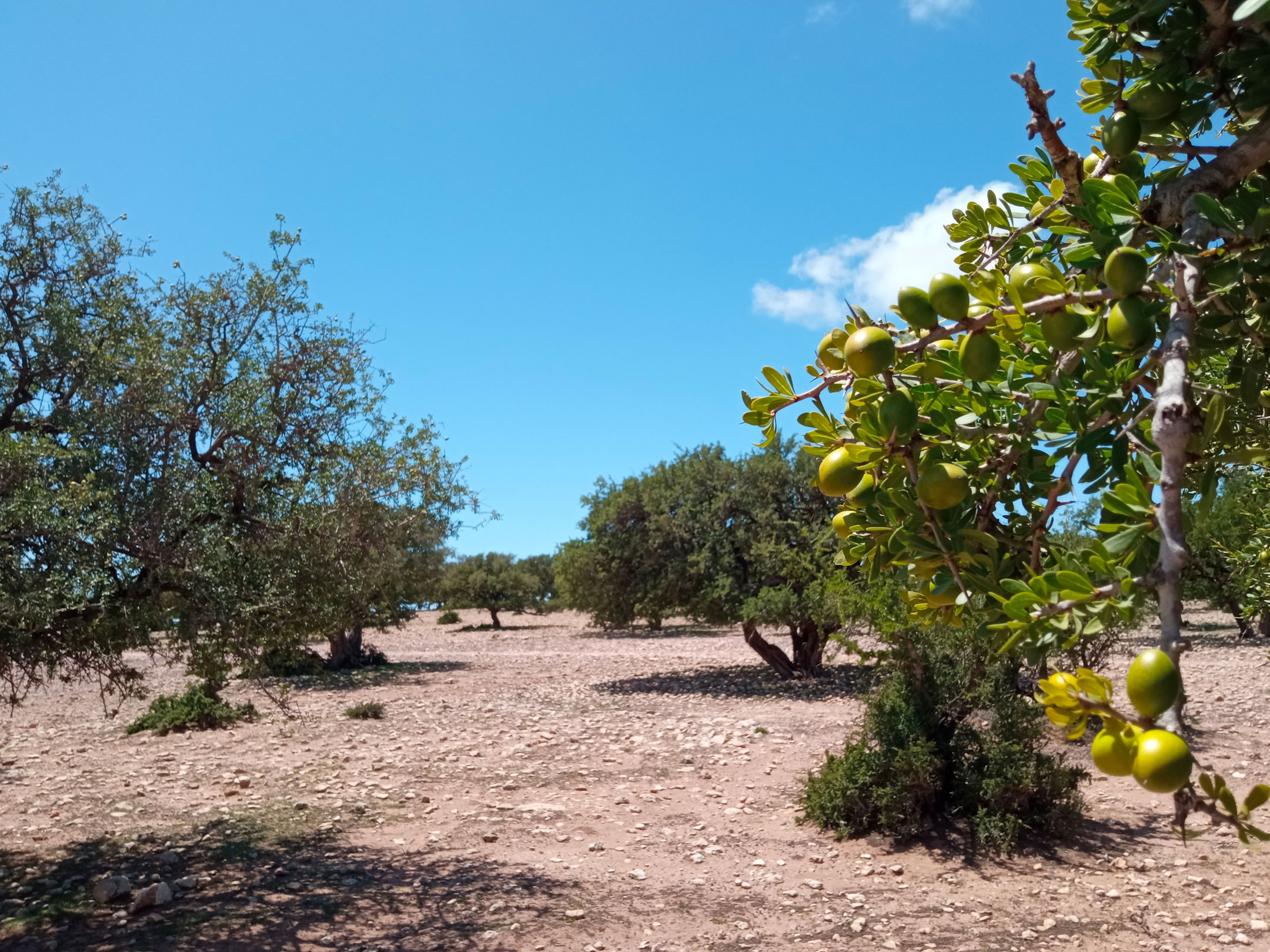
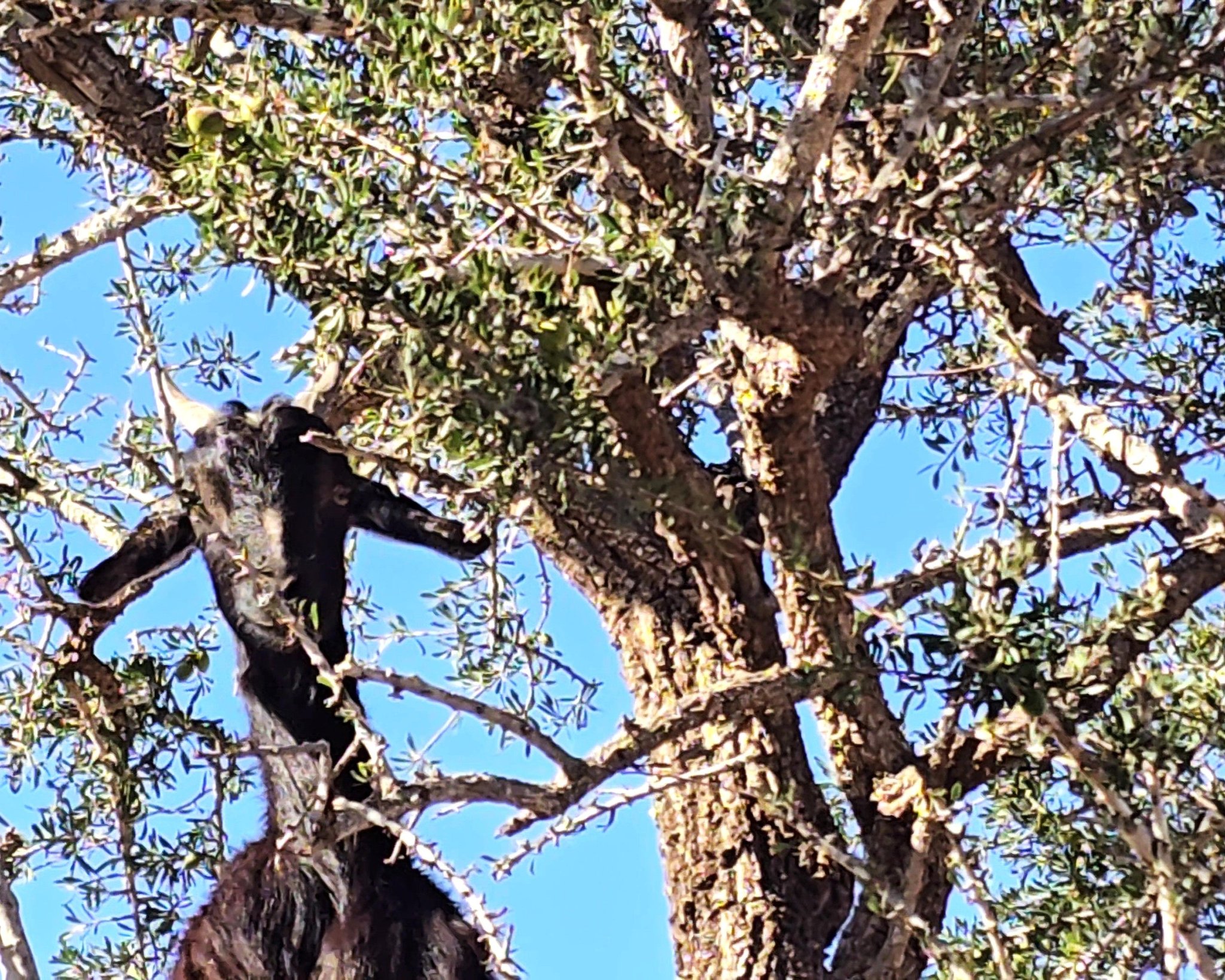
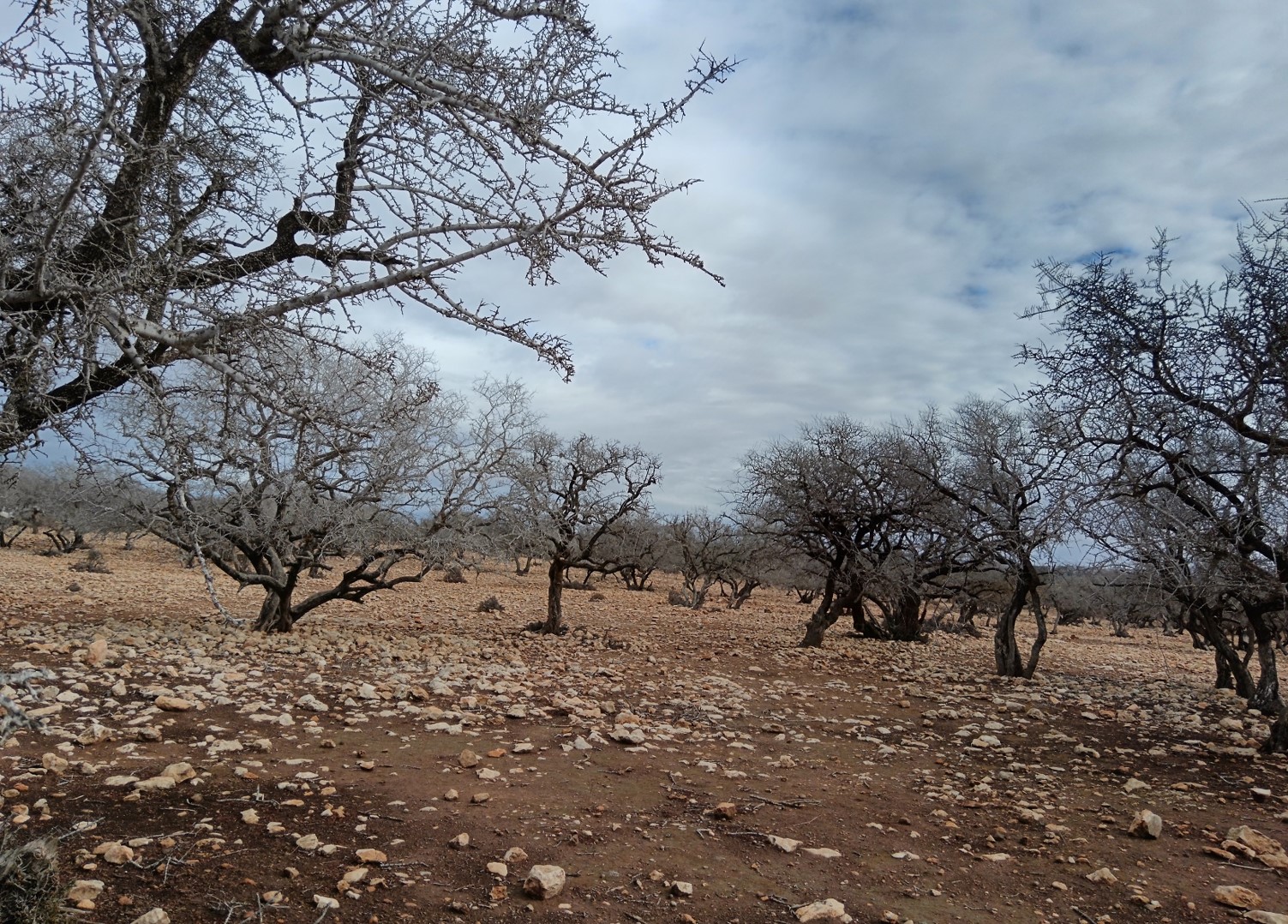
El TAGANT Living Lab marroquí busca restaurar y reforzar la resiliencia del ecosistema del argán en Essaouira, fundamental para la biodiversidad, la protección del suelo y los medios de vida (aceite de argán). Amenazas: deforestación, sobreexplotación, sequía y pastoreo intensivo.
Leer más Cerrar
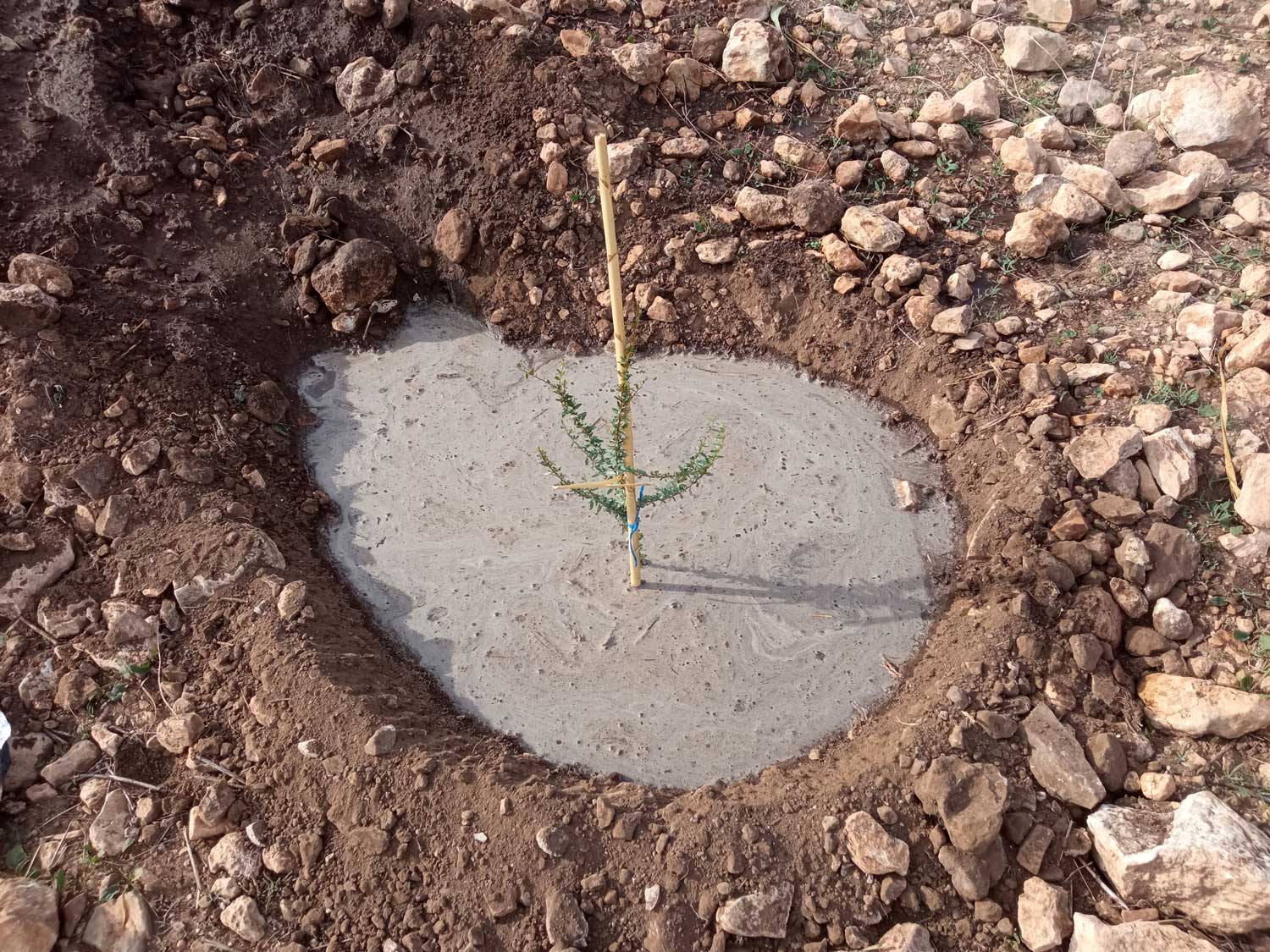
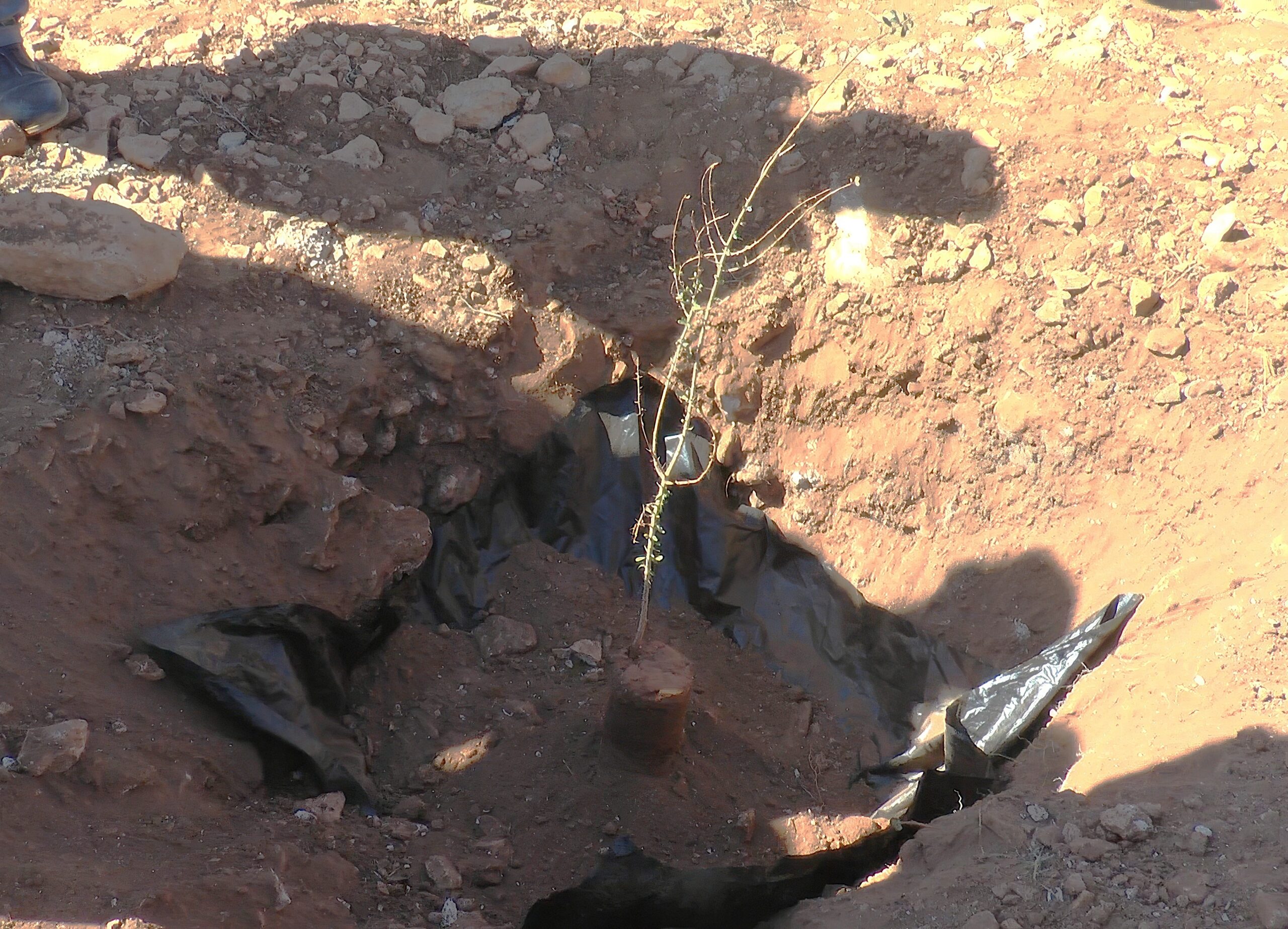
El LL TAGANT prioriza dos enfoques: mejor gestión del pastoreo y reforestación innovadora (p. ej., SWRT y bioestimulantes). Talleres colaborativos con actores locales validaron los enfoques, impulsando participación y aceptación. Resultados prometedores: mayor humedad del suelo y crecimiento del argán gracias a las tecnologías. Monitoreo/evaluación con datos frecuentes, retroalimentación y mayor participación de mujeres (compromiso duplicado). Eficiencia por sinergias, uso oportuno de recursos y entusiasmo de los actores. Persisten retos: dificultades de comunicación (analfabetismo local) y resistencias iniciales. El equipo responde con interacción constante, formación y talleres flexibles. En conjunto, el TAGANT LL evidencia el valor de enfoques participativos y tecnologías innovadoras en la restauración ecológica, aportando soluciones prácticas a la degradación, oportunidades económicas locales y mayor resiliencia socio-ecológica. Próximos pasos: mayor implicación y estrategias afinadas para la gestión sostenible del argán.
Últimas noticias del Living Lab
Esta sección fomenta el diálogo y el intercambio entre los actores, con actualizaciones continuas de avances y novedades.
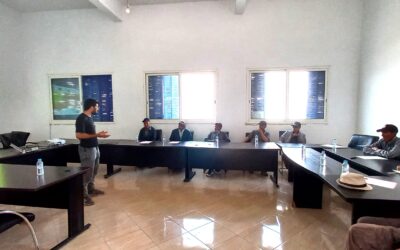
Third Living Lab Workshop – Morocco
Towards Sustainable Argan Landscapes: Co-Designing Nature-Based Solutions in the Essaouira Region On June 26, 2025, the Moroccan SALAM-MED Living Lab held its third workshop in...
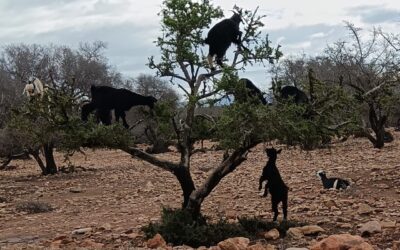
TAGANT LL
TAGANT LL is the LL implemented in Morocco. Research activities in this LL focus on studying the impact of pastoralism on the Argan forest by monitoring changes in the physiology...
Stakeholders
Université Cadi Ayyad – Marrakech
Based in Marrakech, Université Cadi Ayyad (UCA) is one of Morocco’s leading public universities, known for its commitment to academic excellence, research innovation, and community engagement. Founded in 1978, UCA serves a wide network of institutions across southern Morocco…
ANDZOA - Agence Nationale pour le Développement des Zones Oasiennes et de l’Arganier
The National Agency for the Development of Oasis Zones and the Argan Tree (ANDZOA) is a public institution dedicated to the sustainable development of Morocco’s oasis regions and the argan tree biosphere. It works to preserve natural resources, strengthen local…
ANEF – Agence Nationale des Eaux et Forêts
The National Agency for Water and Forests (ANEF) is the national authority responsible for the sustainable management, protection, and development of Morocco’s forest and water ecosystems. ANEF plays a pivotal role in preserving biodiversity, restoring degraded landscapes, and promoting…
Commune Territoriale de Sidi Kaouki
The Sidi Kaouki Territorial Commune, located along Morocco’s Atlantic coast in the Essaouira Province, is an important local governance body supporting sustainable rural development and natural resource management. As a key institutional partner in the Living Lab, the commune provided a welcoming space for participatory …
Marjana Cooperative
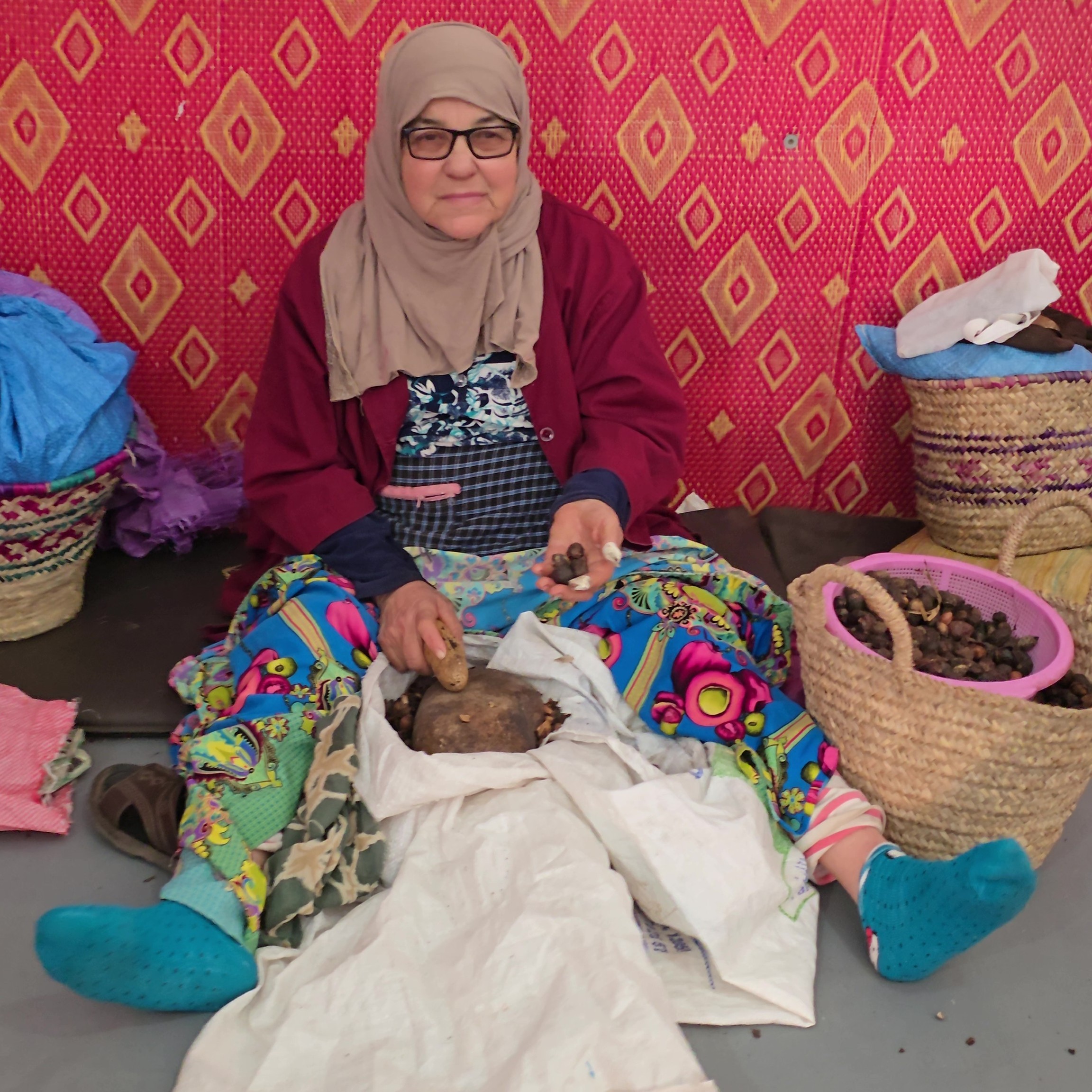
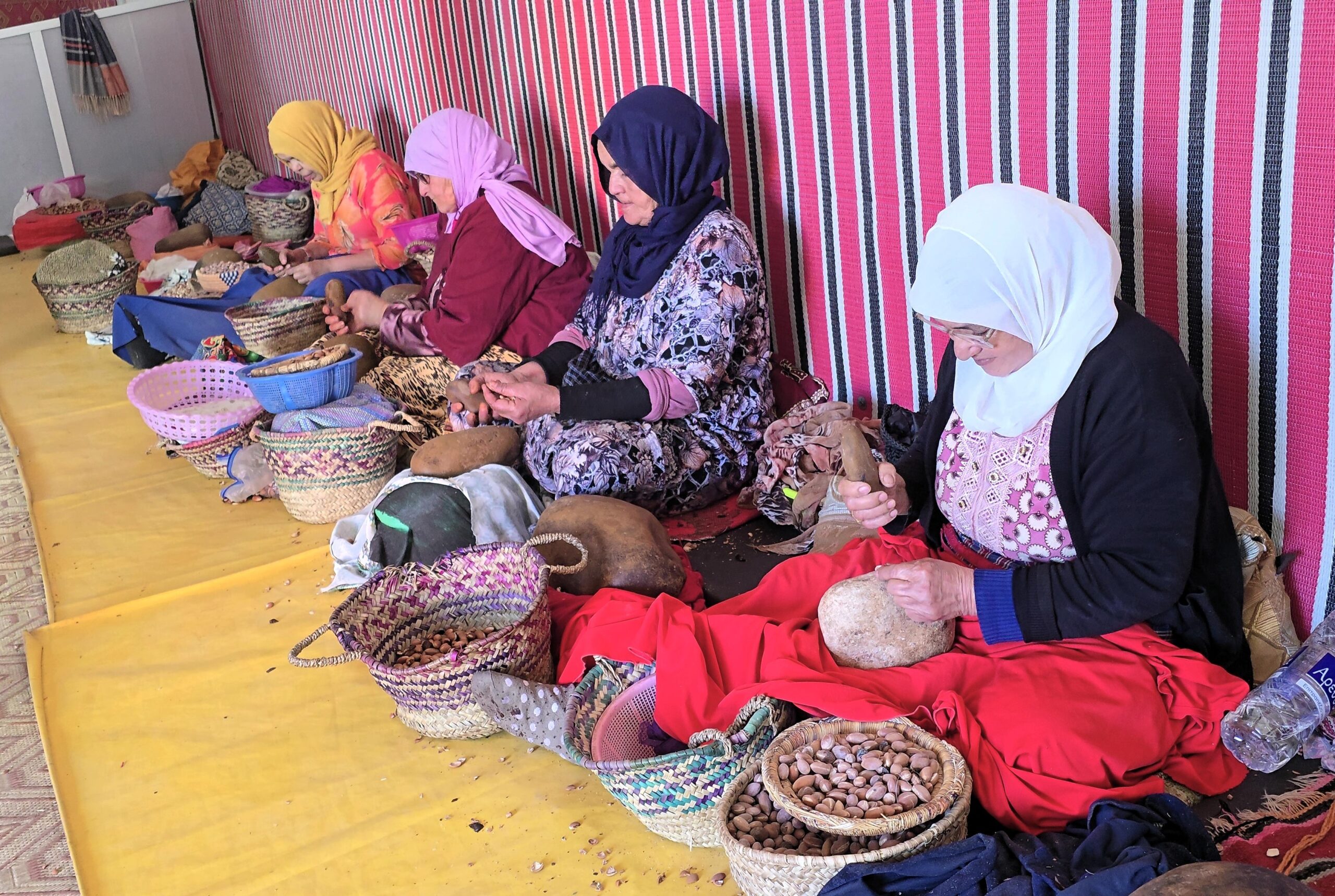
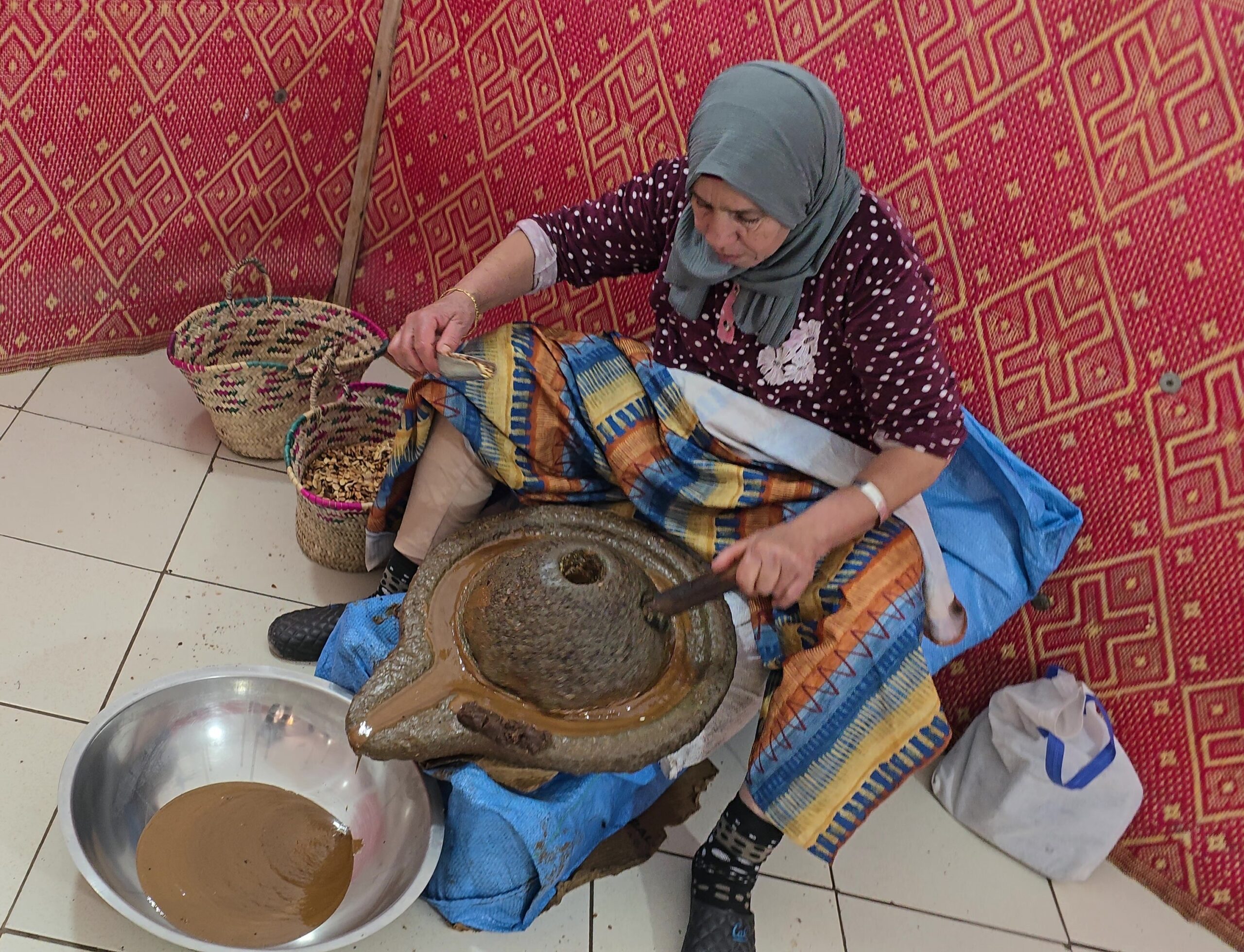
Located near Essaouira, the Marjana Cooperative is a women-led initiative dedicated to the sustainable production of high-quality argan oil. Founded to empower rural women and preserve traditional practices, the cooperative combines ancestral know-how with modern standards of quality, safety, and traceability….
¿Quieres aparecer entre los actores?
Regístrate y te añadiremos.
Tecnologías y soluciones prácticas desarrolladas en este Living Lab
El Arganeral forma parte de la Red Mundial de Reservas de la Biosfera de la UNESCO y presenta dimensiones eco-geográficas y socioeconómicas particulares (Faouzi, 2017). Casi el 90 % de la economía rural depende del sistema agroforestal del argán. El sobrepastoreo, el cambio climático y las dinámicas demográficas generan procesos de degradación que pueden revertirse mediante la combinación de pastoreo inteligente (smart grazing), técnicas de conservación de suelo y agua (SWRT) y tecnologías sencillas de captación y aprovechamiento del agua (water harvesting).
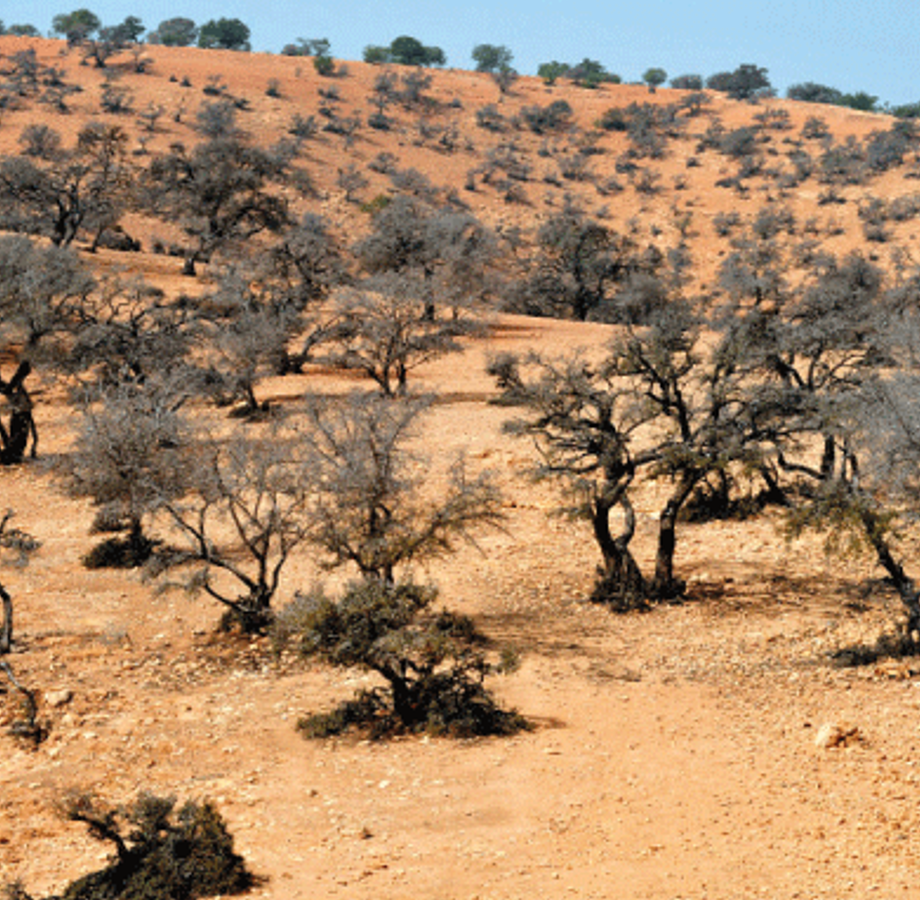
Tecnología de retención de agua subsuperficial
Referencias en Zenodo
Stakeholders Signup
Université Cadi Ayyad – Marrakech
Based in Marrakech, Université Cadi Ayyad (UCA) is one of Morocco’s leading public universities, known for its commitment to academic excellence, research innovation, and community engagement. Founded in 1978, UCA serves a wide network of institutions across southern Morocco, with faculties and schools in Marrakech, Safi, Essaouira, and Kalaa of Sraghna.
UCA plays an active role in international cooperation, fostering academic mobility and collaborative research projects with institutions across Africa, Europe, and beyond. Through its strong regional presence and global vision, Cadi Ayyad University contributes to shaping a knowledge-based, inclusive future for Morocco and the wider region.
ANDZOA - Agence Nationale pour le Développement des Zones Oasiennes et de l’Arganier
Within the framework of the SALAM-MED, ANDZOA contributed to the establishment of reforestation activities by providing argan tree seedlings and supporting the setup of a pilot site. Their expertise in local agroforestry systems and institutional support were essential to launching restoration efforts on the ground.
ANEF – Agence Nationale des Eaux et Forêts
In the context of SALAM-MED, ANEF provided access to key field sites for rangeland and grazing studies and played a facilitative role in securing the necessary authorizations. The agency’s guidance and logistical support ensured smooth coordination with local forest administrations and alignment with national environmental strategies.
Commune Territoriale de Sidi Kaouki
Its involvement was instrumental in ensuring community participation and local ownership of restoration and research initiatives related to argan landscapes and rangeland dynamics.
Marjana Cooperative
As a local partner in the Living Lab, the cooperative provided essential insights into the argan oil value chain, including production methods, yields, and market trends. Their contribution enriched the project’s understanding of community-based livelihoods and the socio-economic dimensions of argan forest conservation.